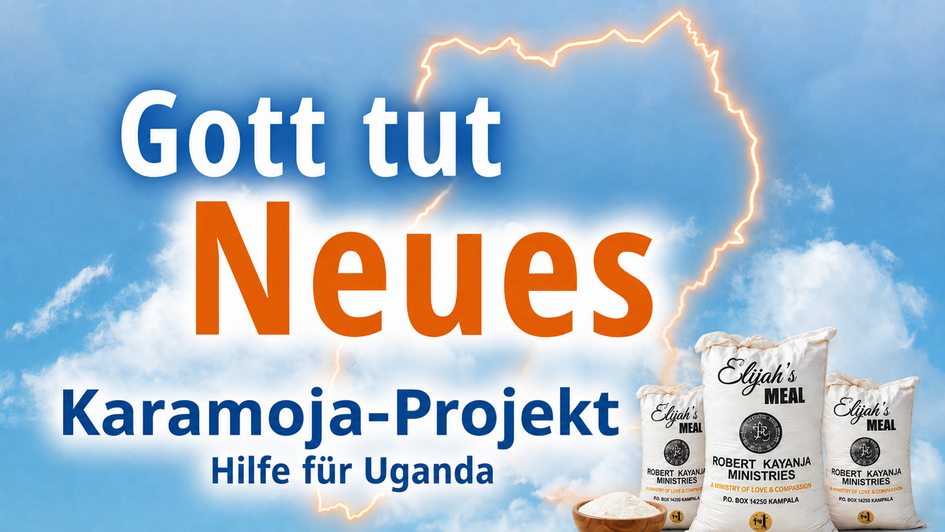
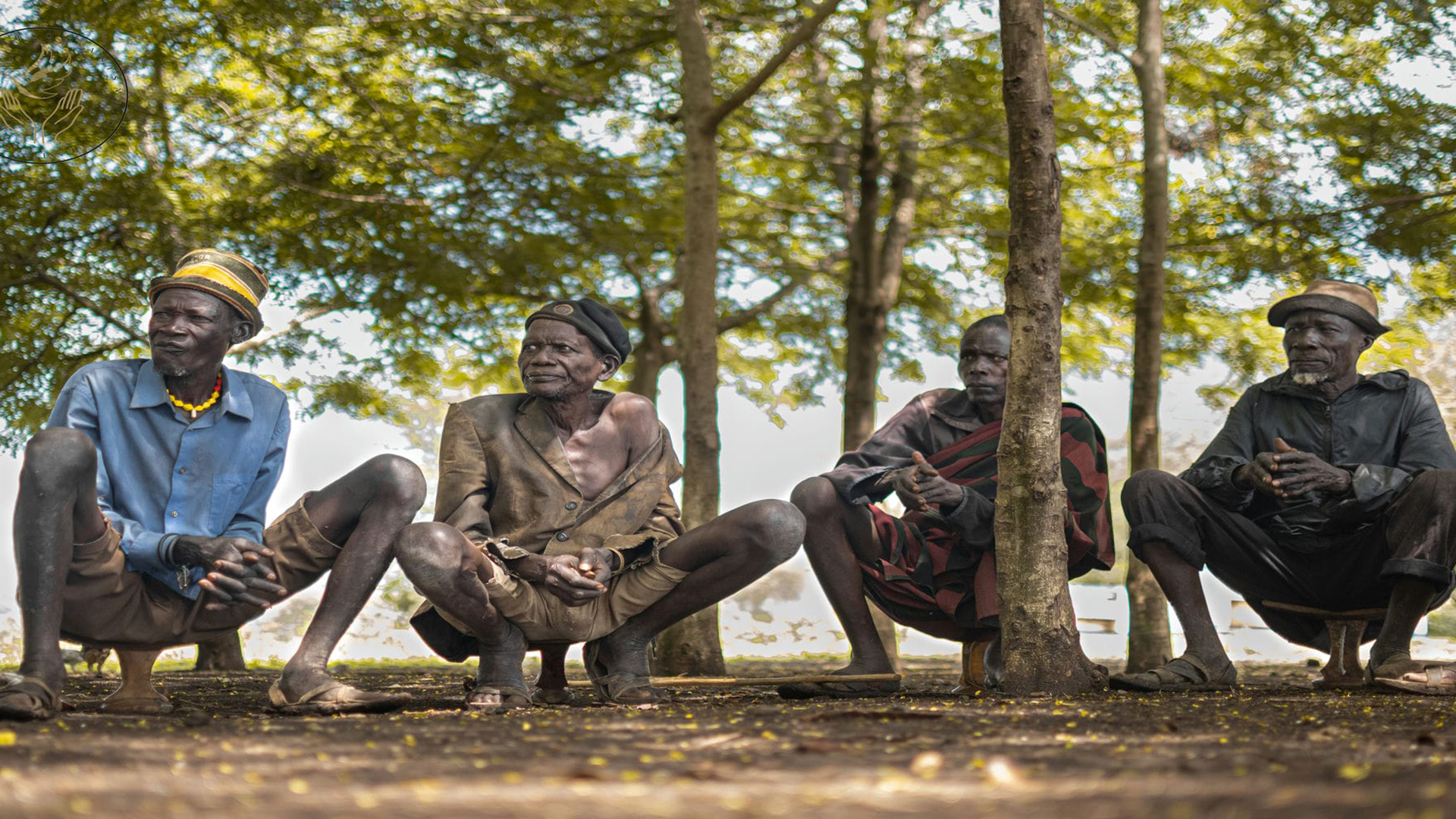
Karamoja is one of the regions of Uganda in Africa. It lies within the “Northern Region” and borders Kenya and South Sudan. The region is considered one of the poorest areas of the country and is plagued by armed conflict.
Drought and crop failures in 2024 contributed to a famine. Many people lived on leaves in order to stay alive.
The latest development: The 2026 rainy season has failed massively in parts of Karamoja. International agencies reported on 24 August 2026 that more than 600,000 people are already affected by food insecurity. All nine districts of Karamoja have since been classified as crisis areas.
In some areas the harvests have failed almost completely.
Child nutrition also remains very serious. Current estimates put the figure at around 120,000 malnourished children under five; some 31,000 of them severely malnourished.
Further information below
During the 21-day fasting period of the “God Is Doing New Things” campaign we want to give to the people of this region.
Donations in Germany (with donation receipt):
Bank details:
Name: Ntale Hilfsorganisation International eV
Bank: Berliner Sparkasse
IBAN: DE05 1005 00000 191140210
BIC: BELADEBEXXXUnder the notice issued by tax office 1197 Berlin on 11 July 2022, Ntale Hilfsorganisation International eV is recognised as a non-profit organisation. Donations are tax-deductible within the meaning of the German Income Tax Act.
The project in Uganda
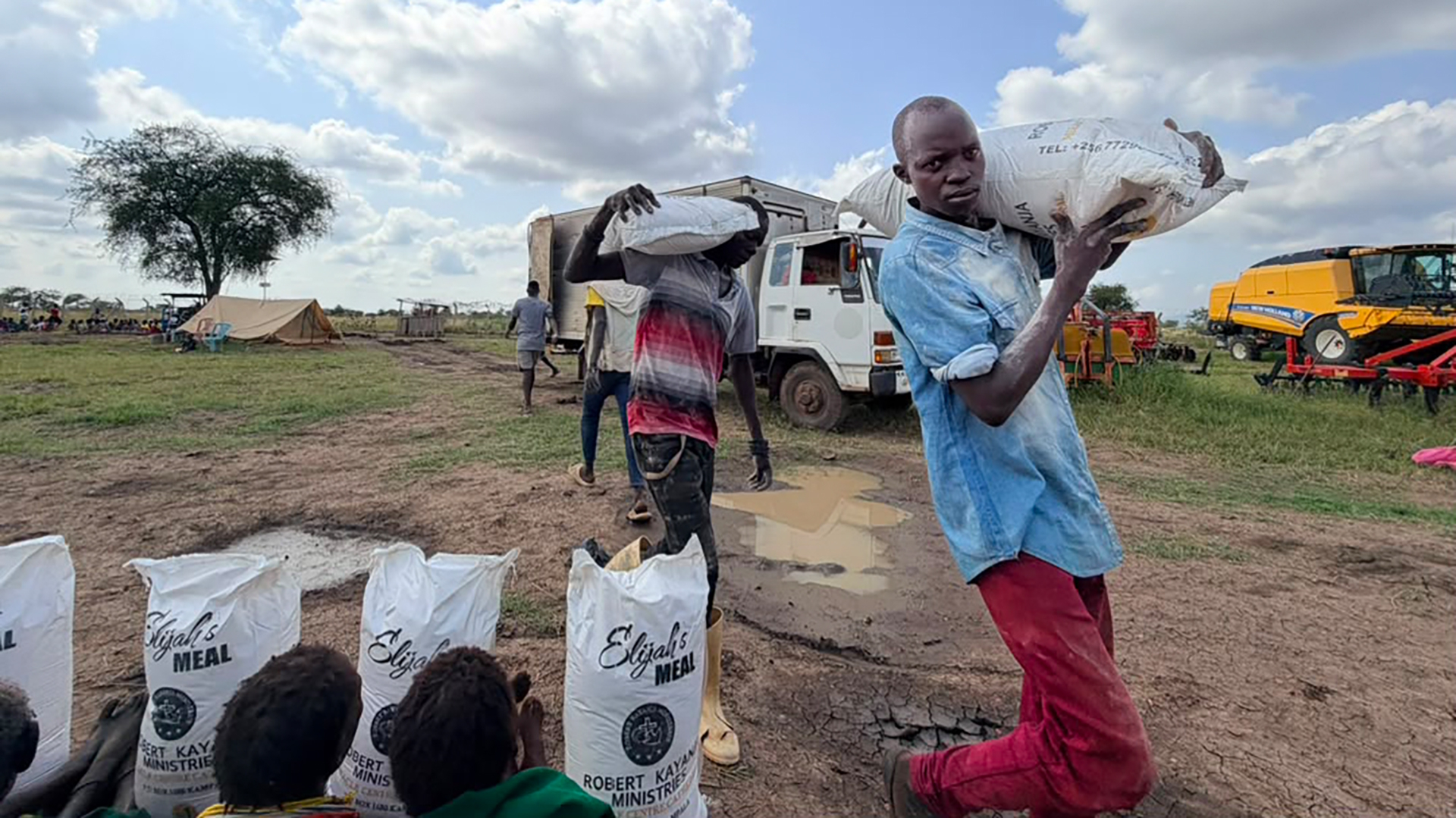
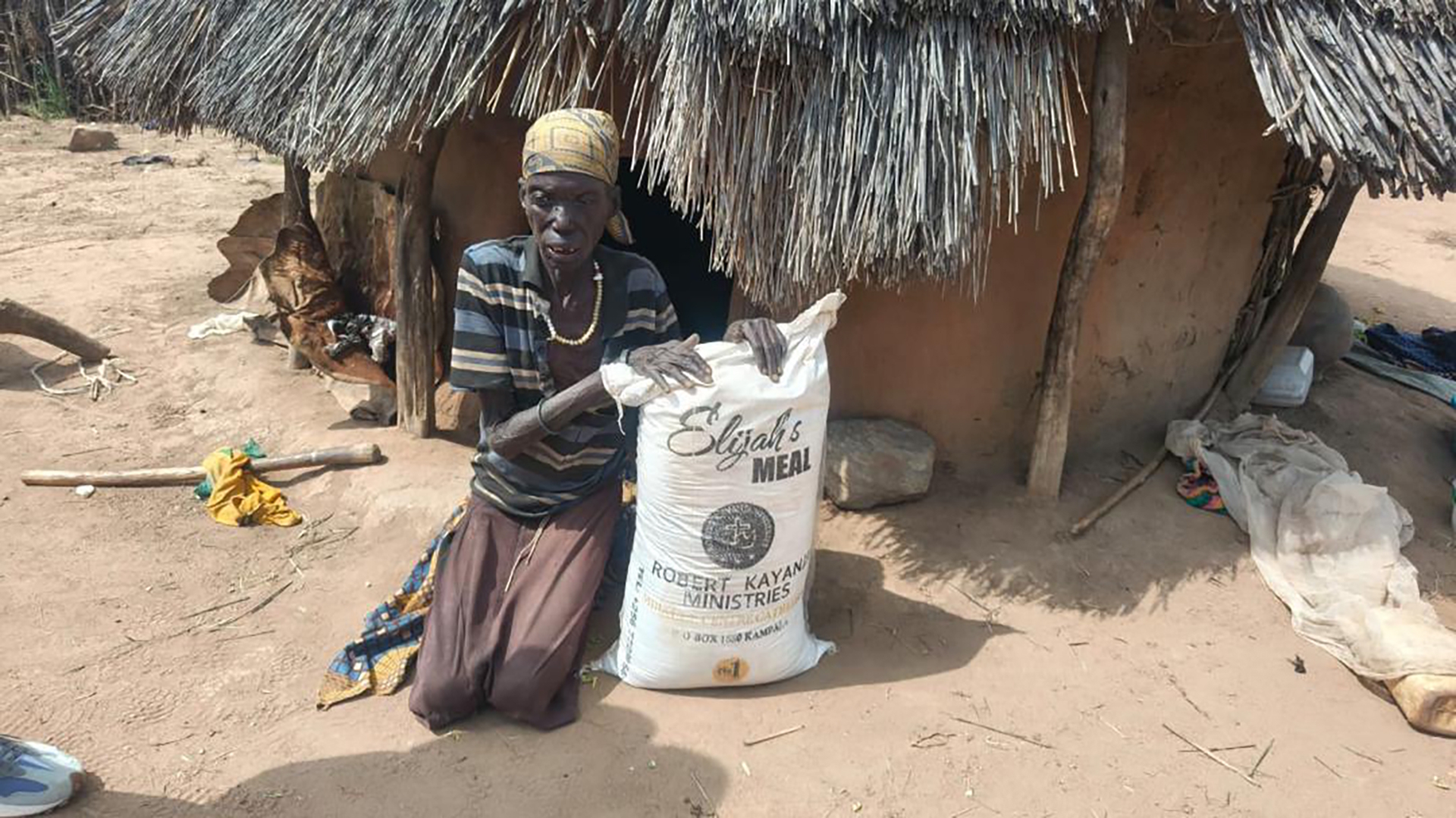
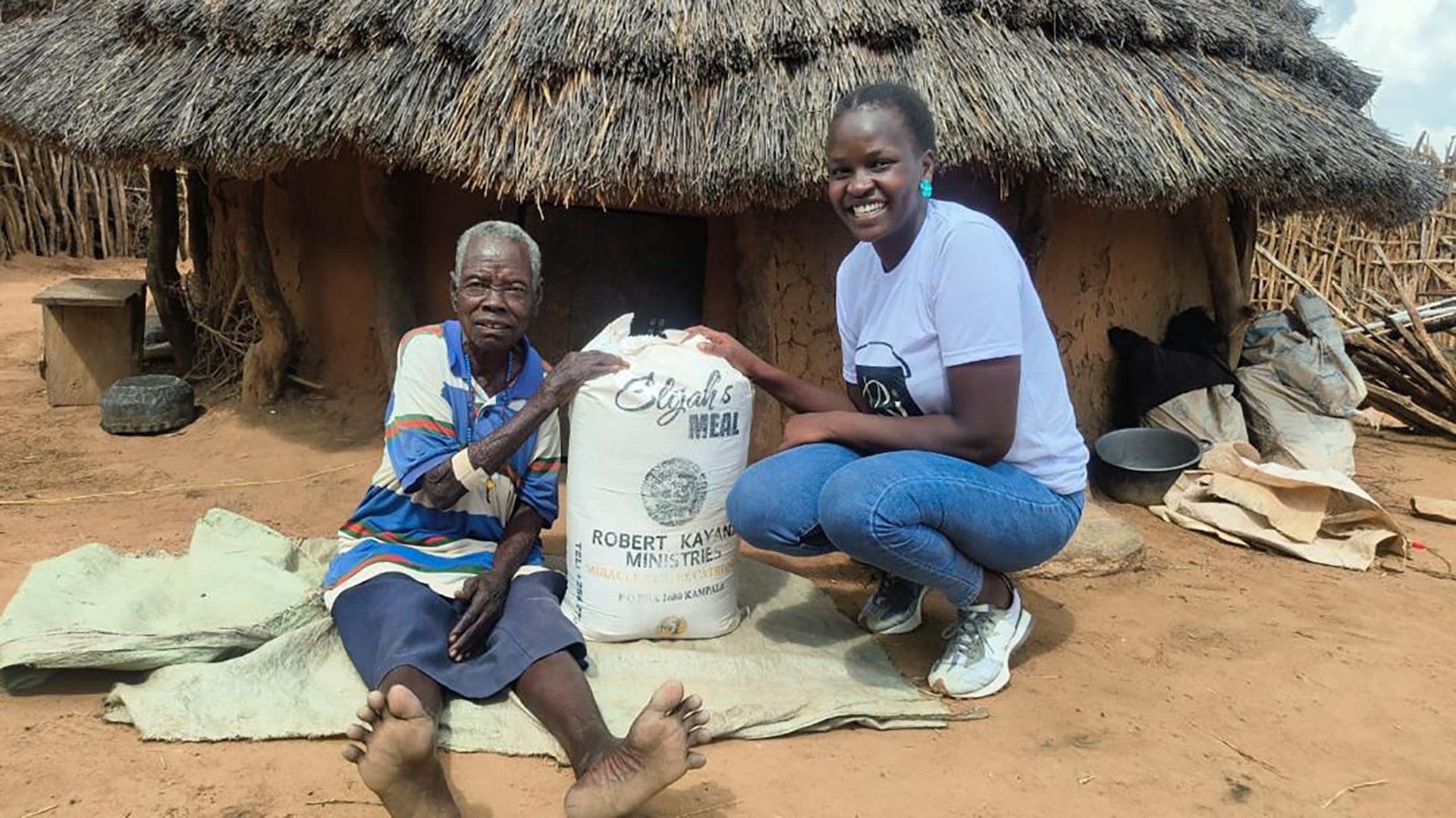
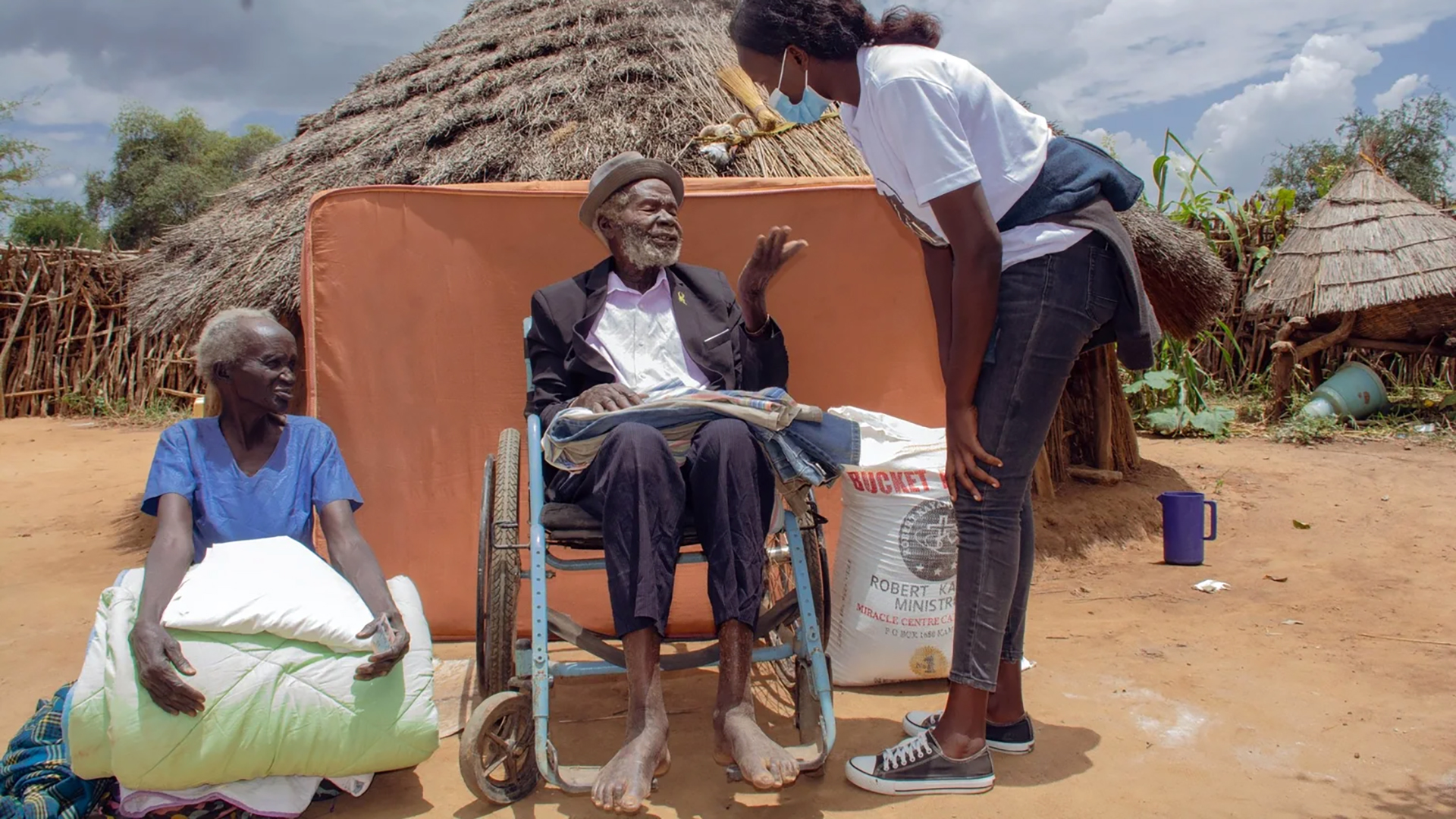
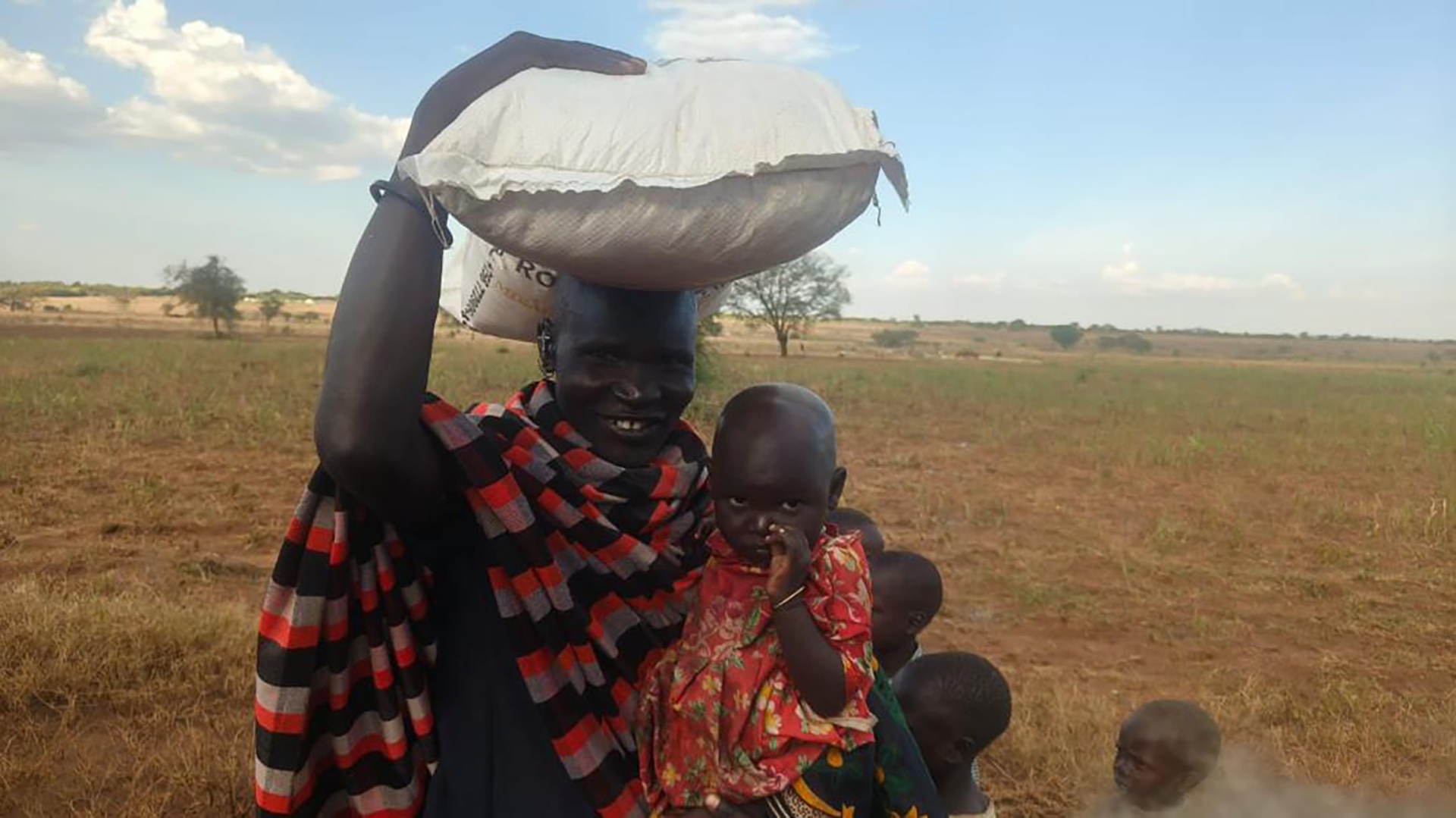
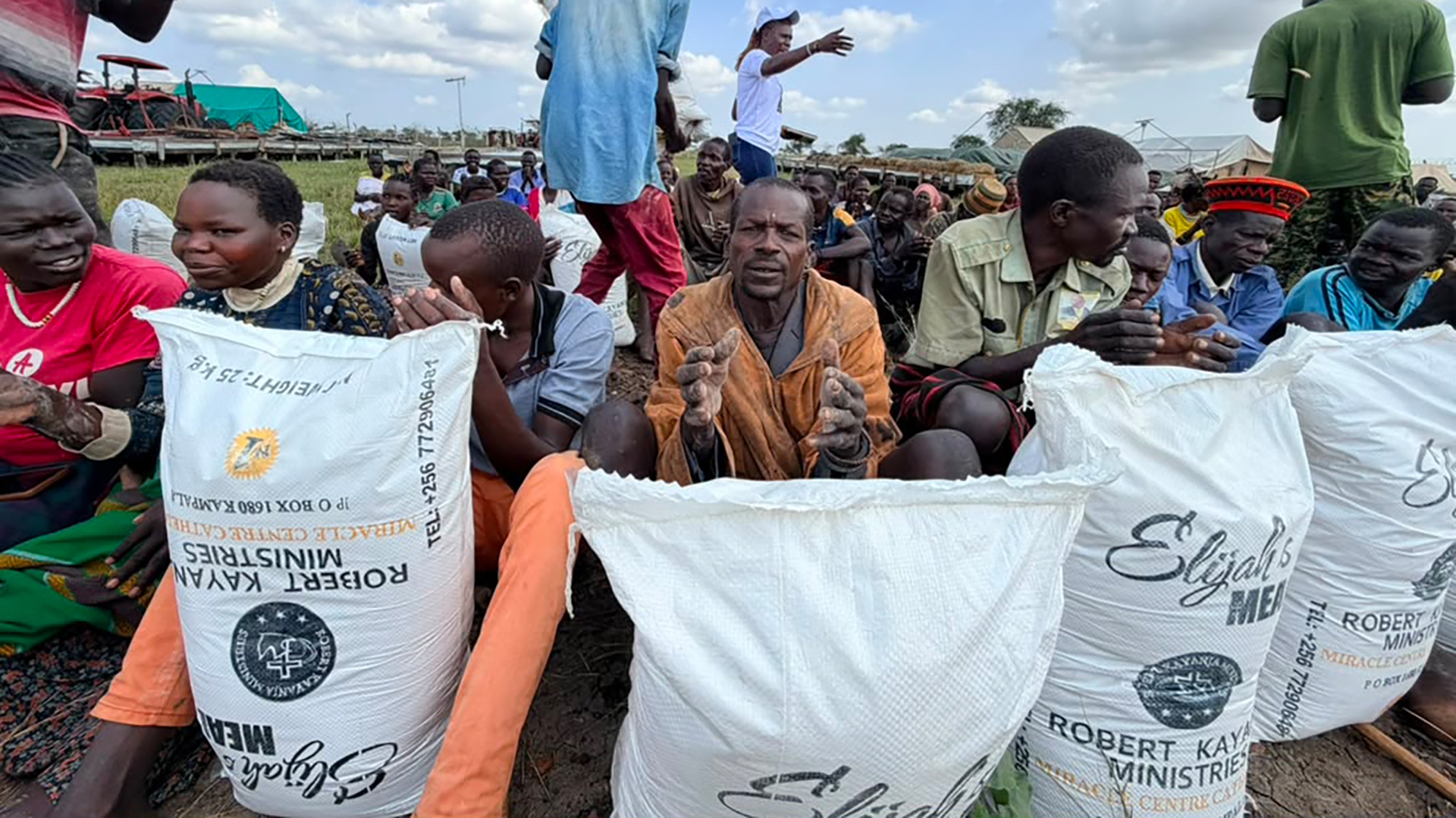
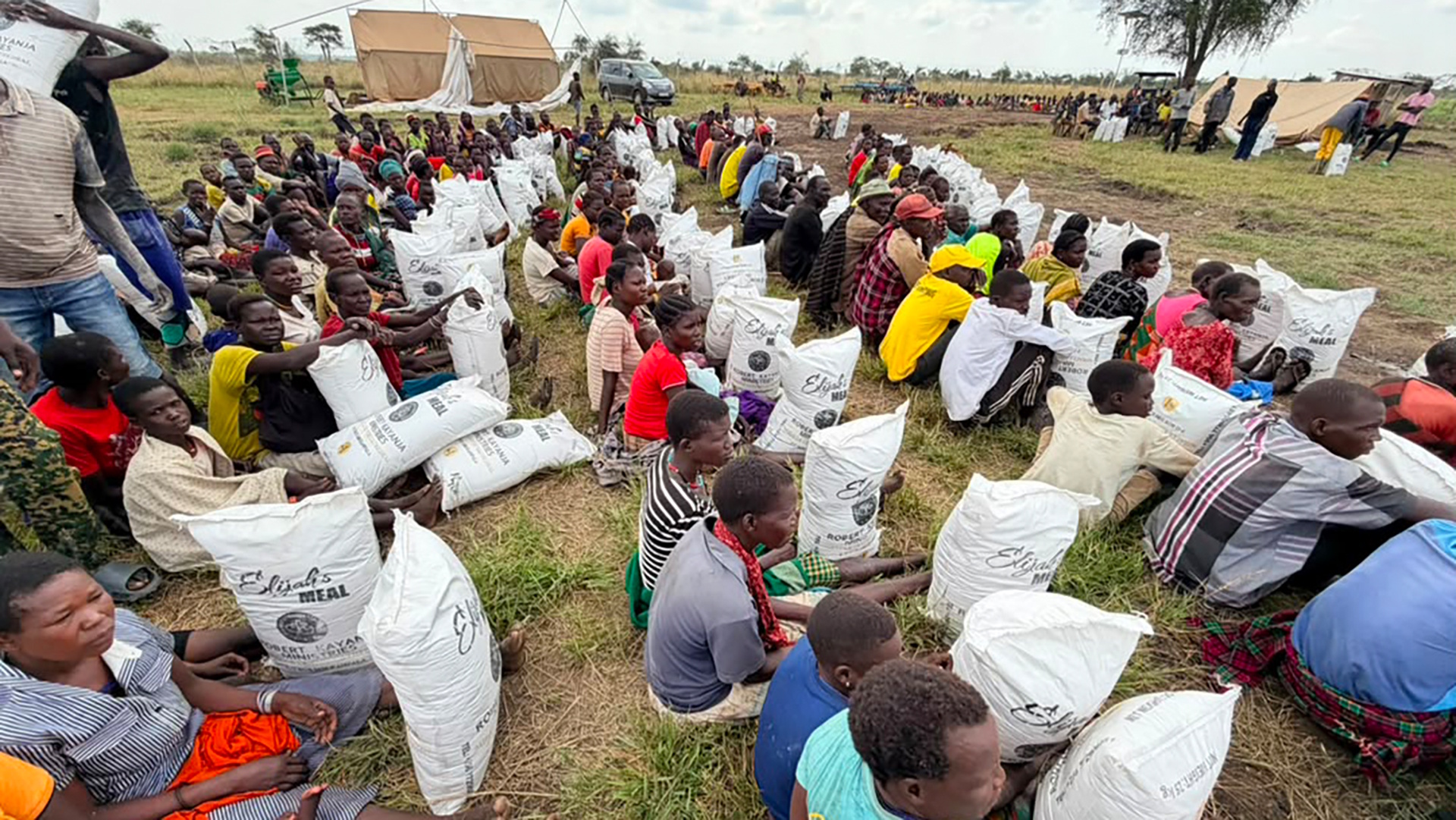
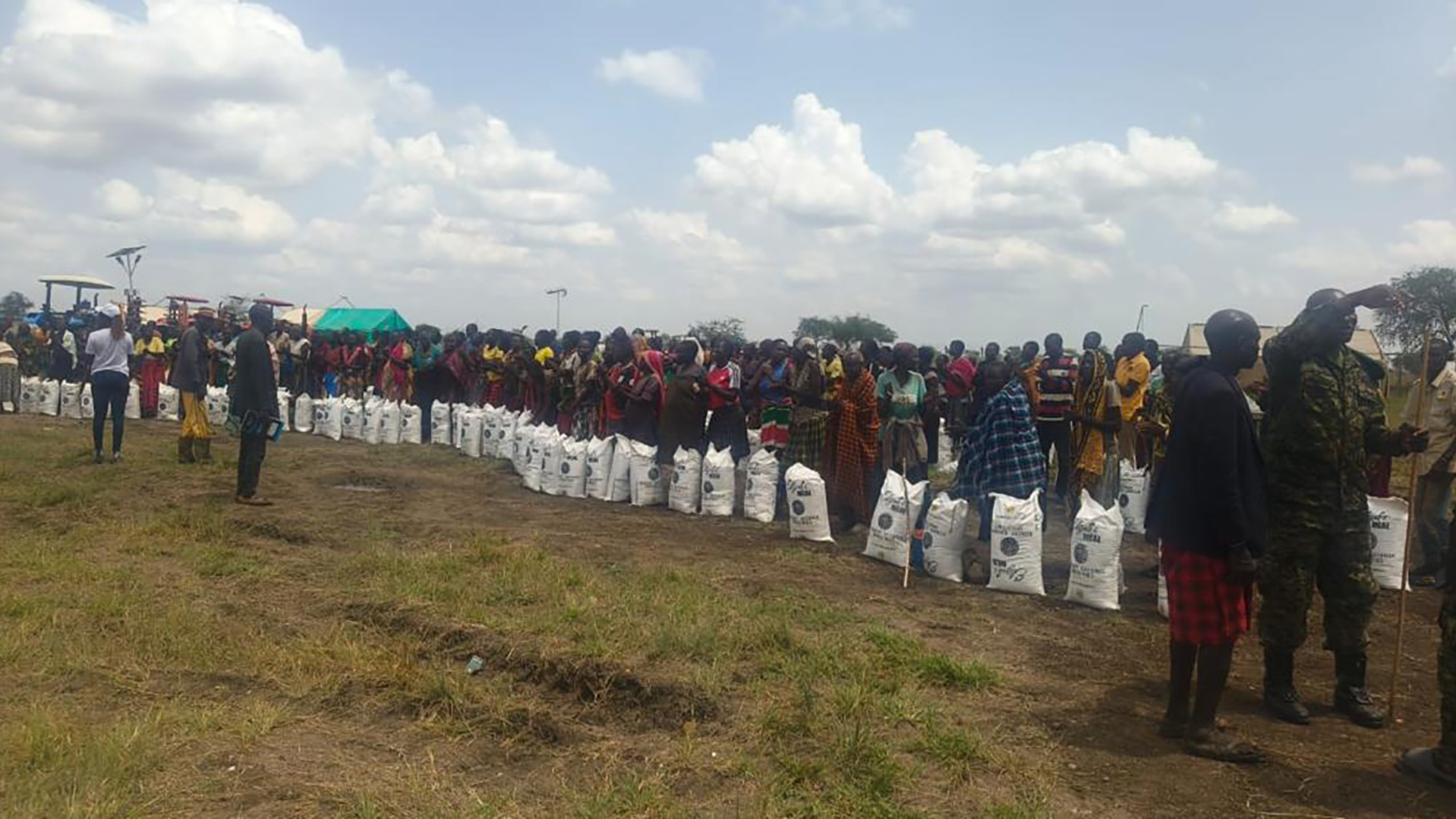
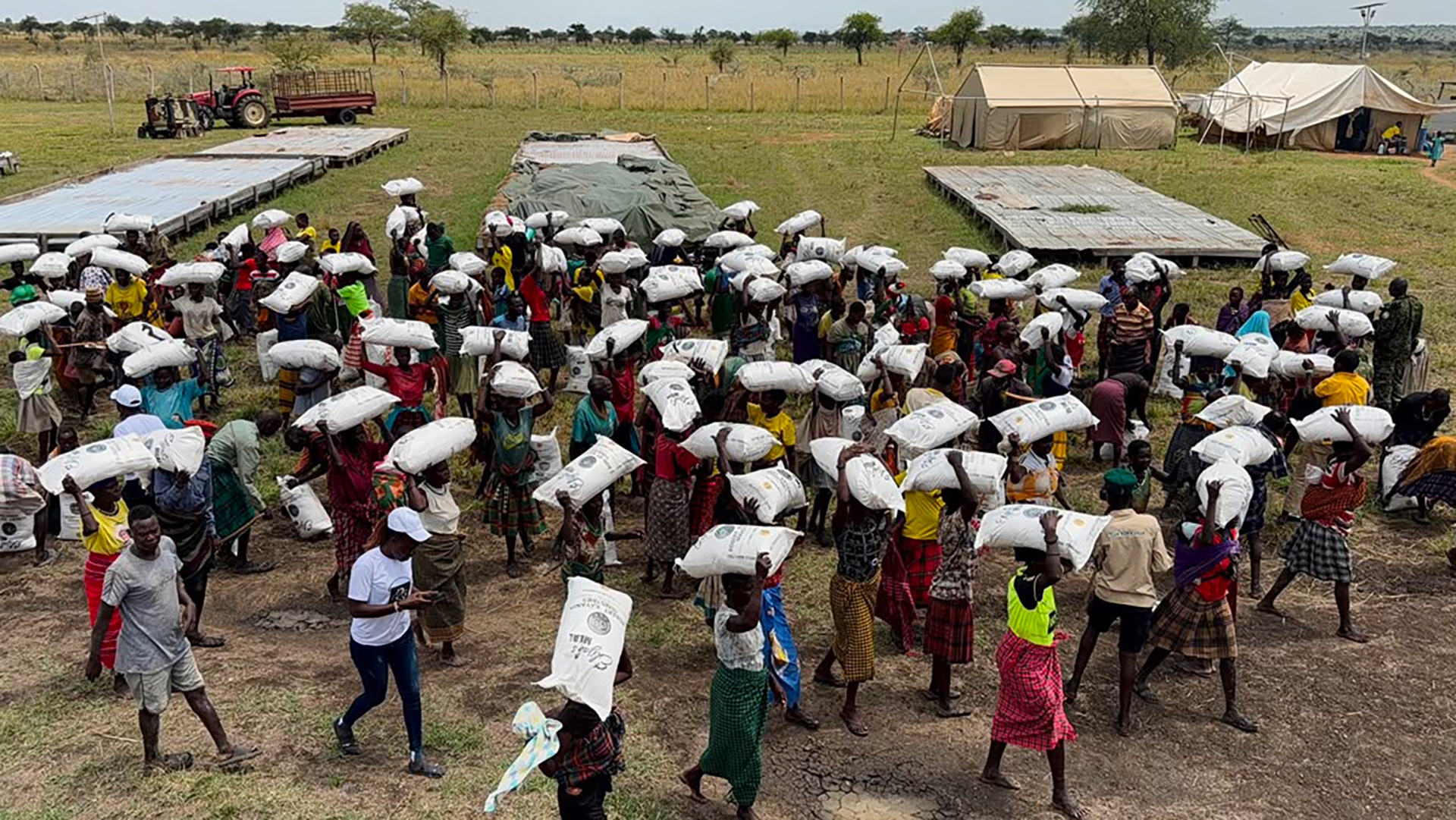
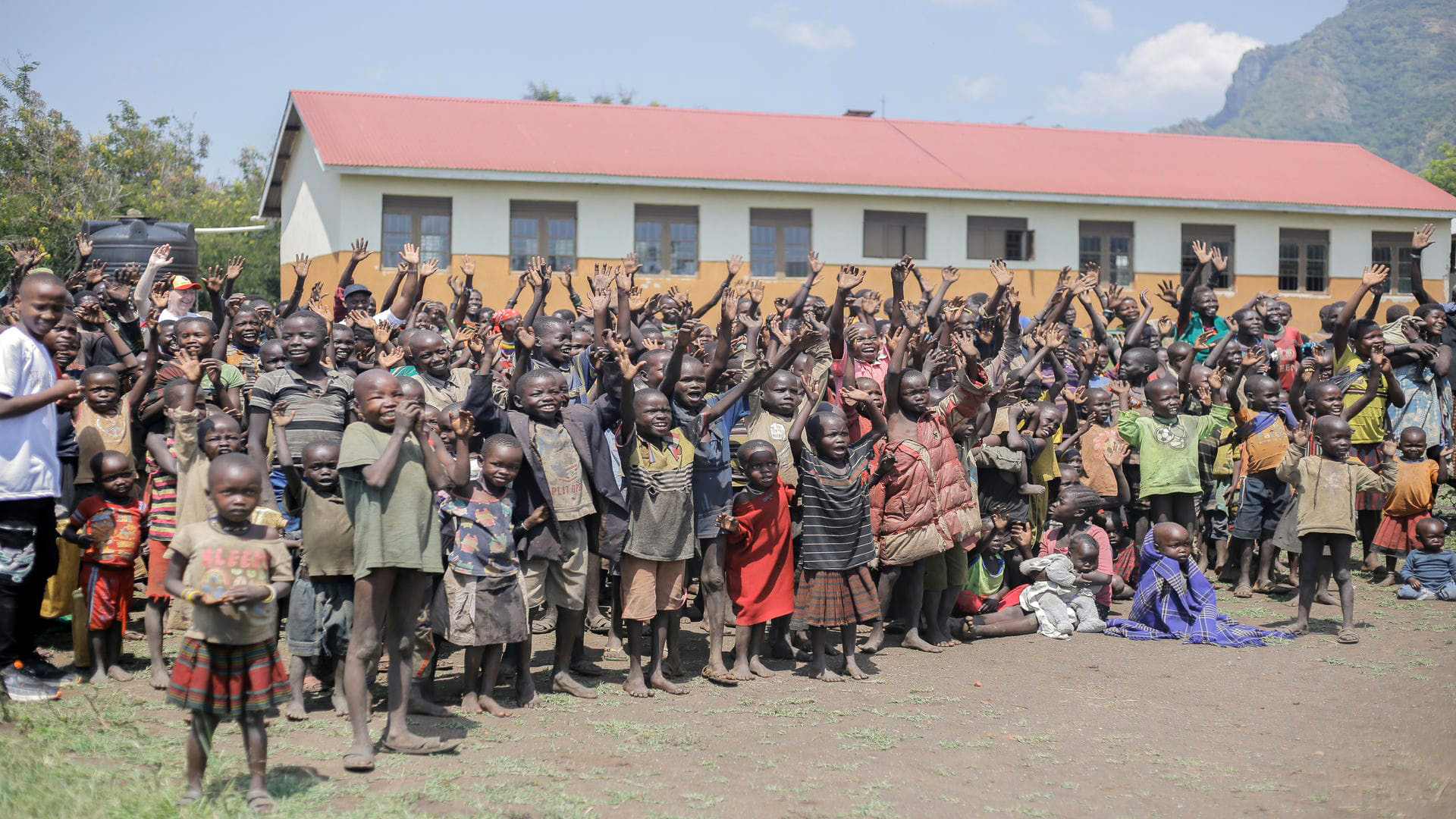
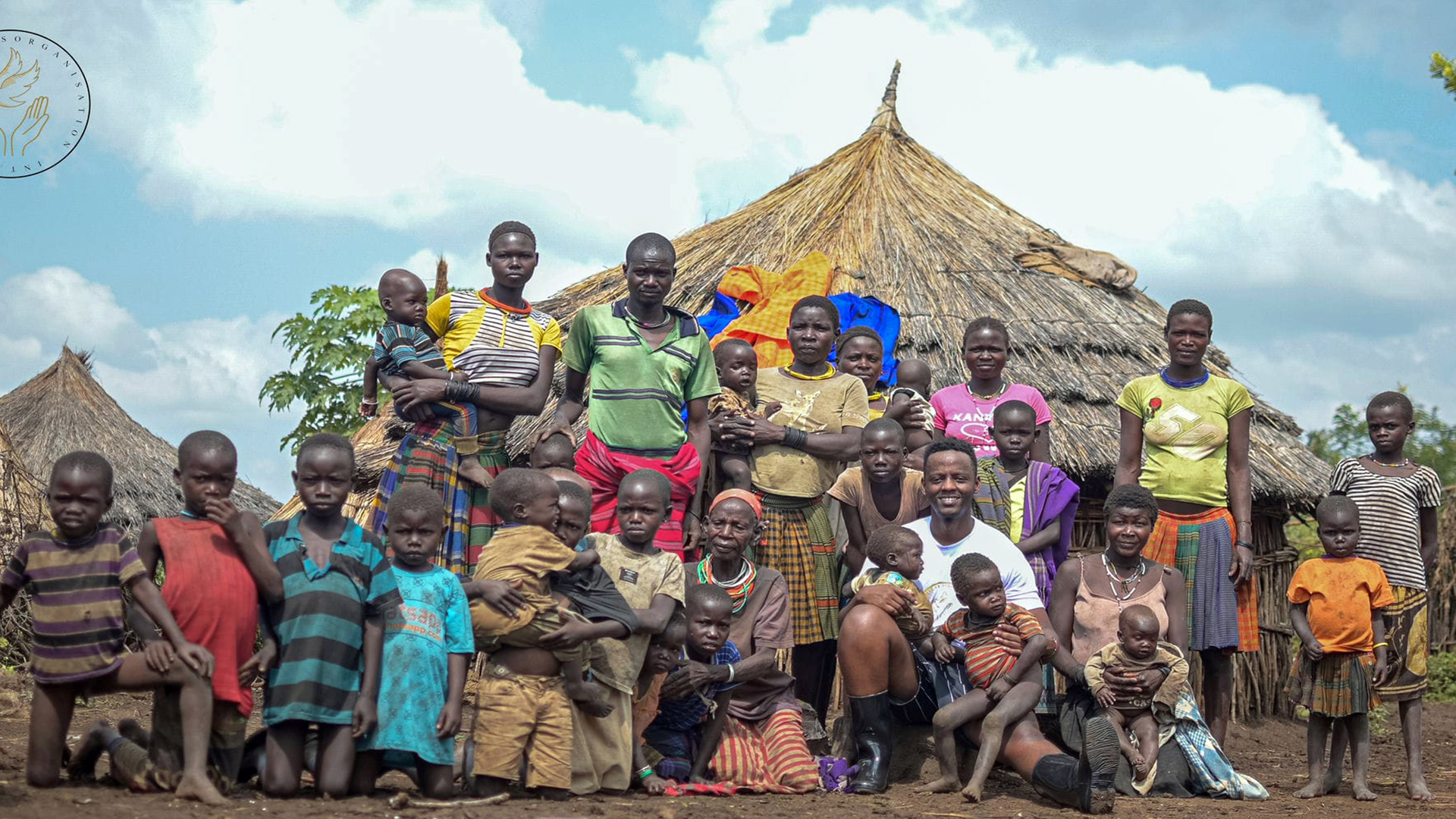
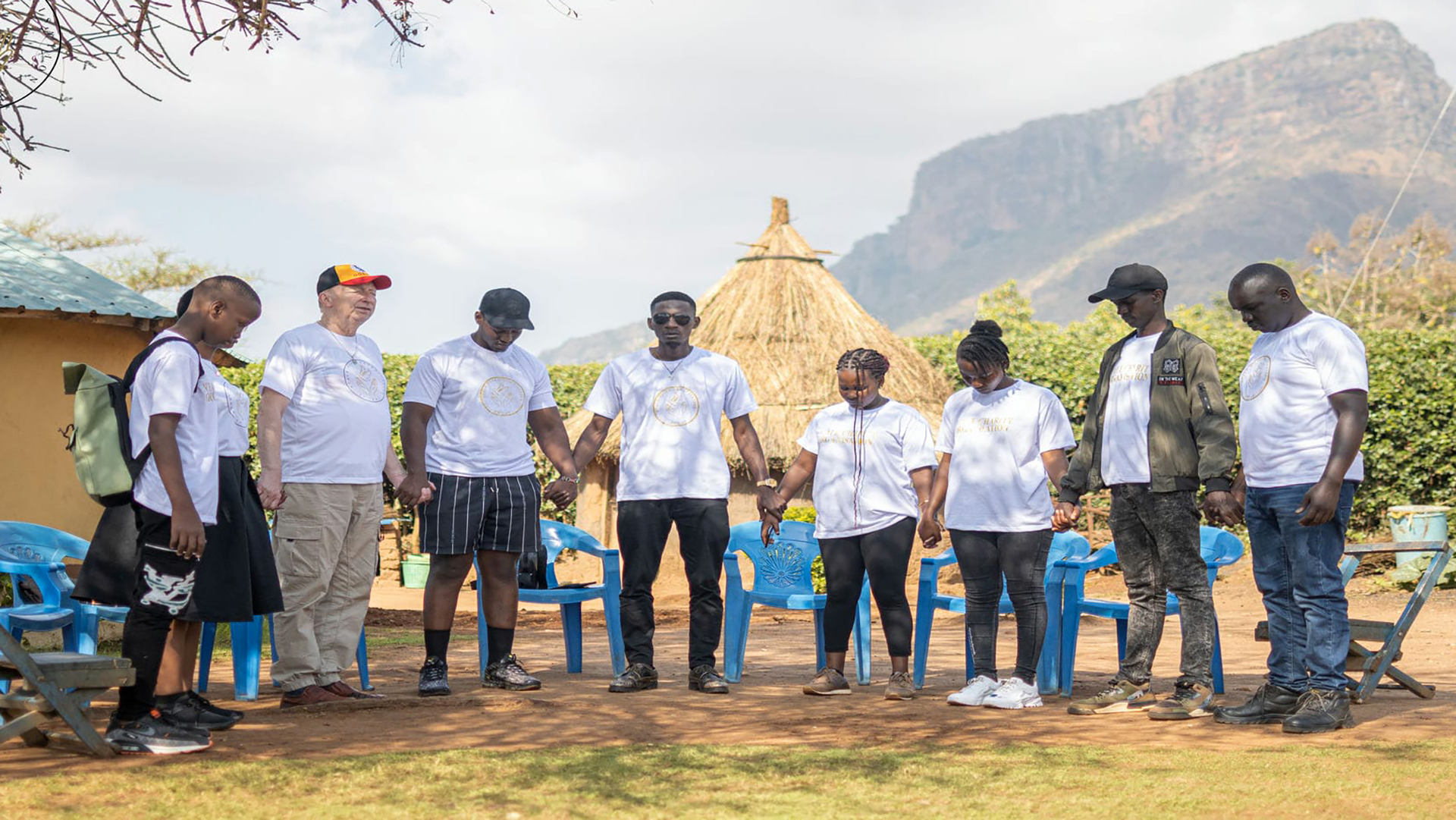
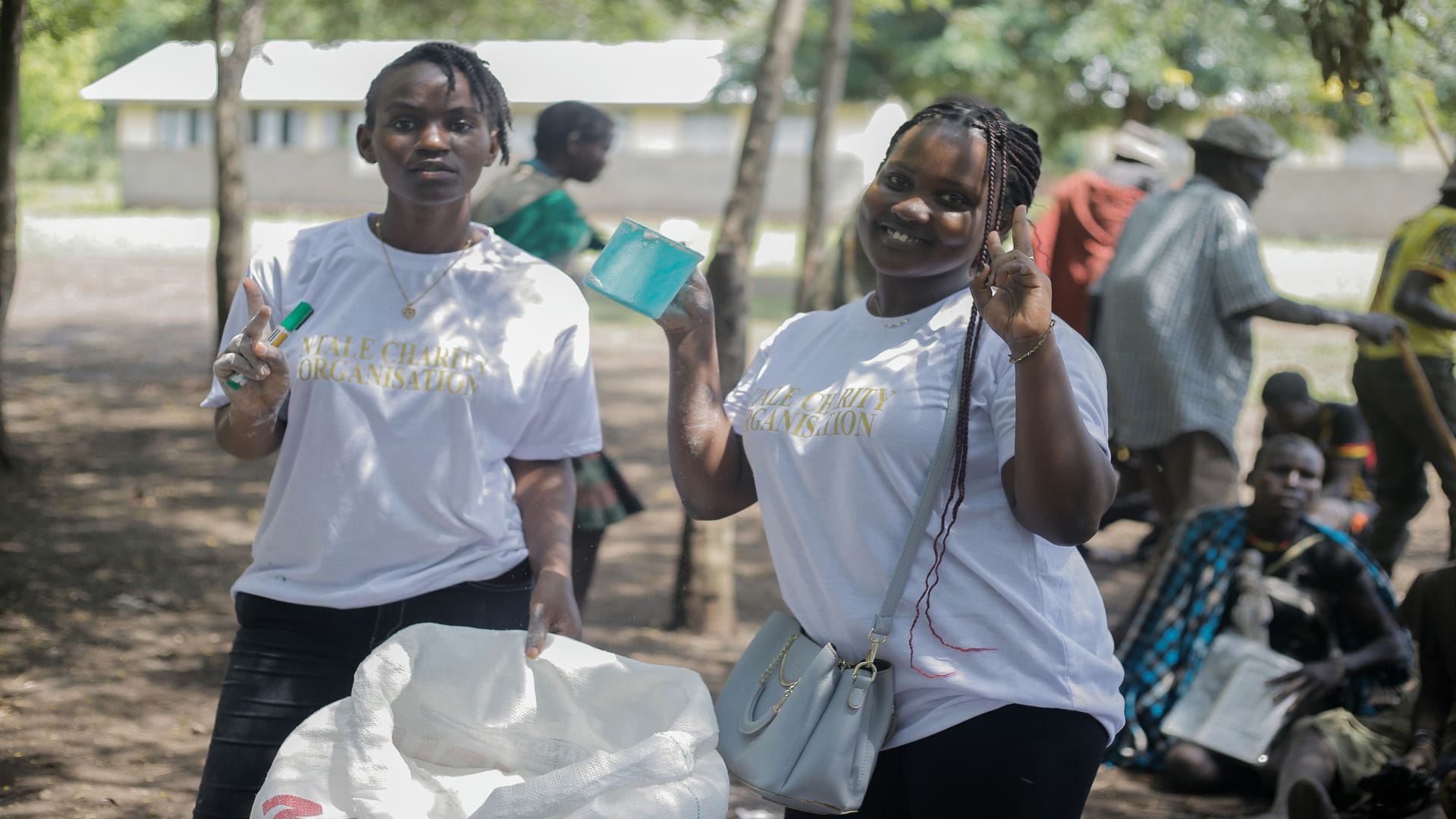
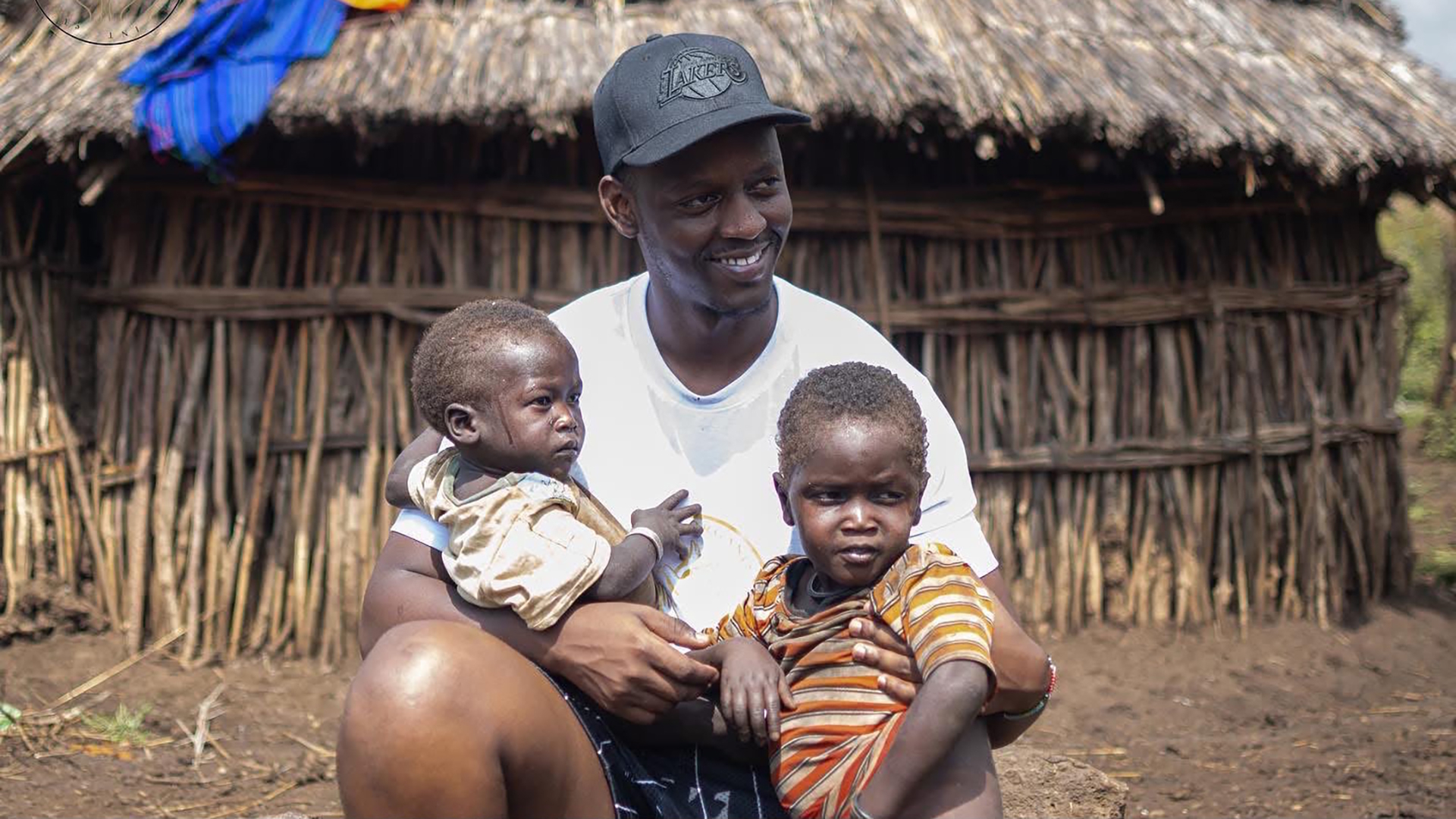
The donations go to the “Robert Kayanja Bucket Initiative”, which supplies numerous families in Karamoja.
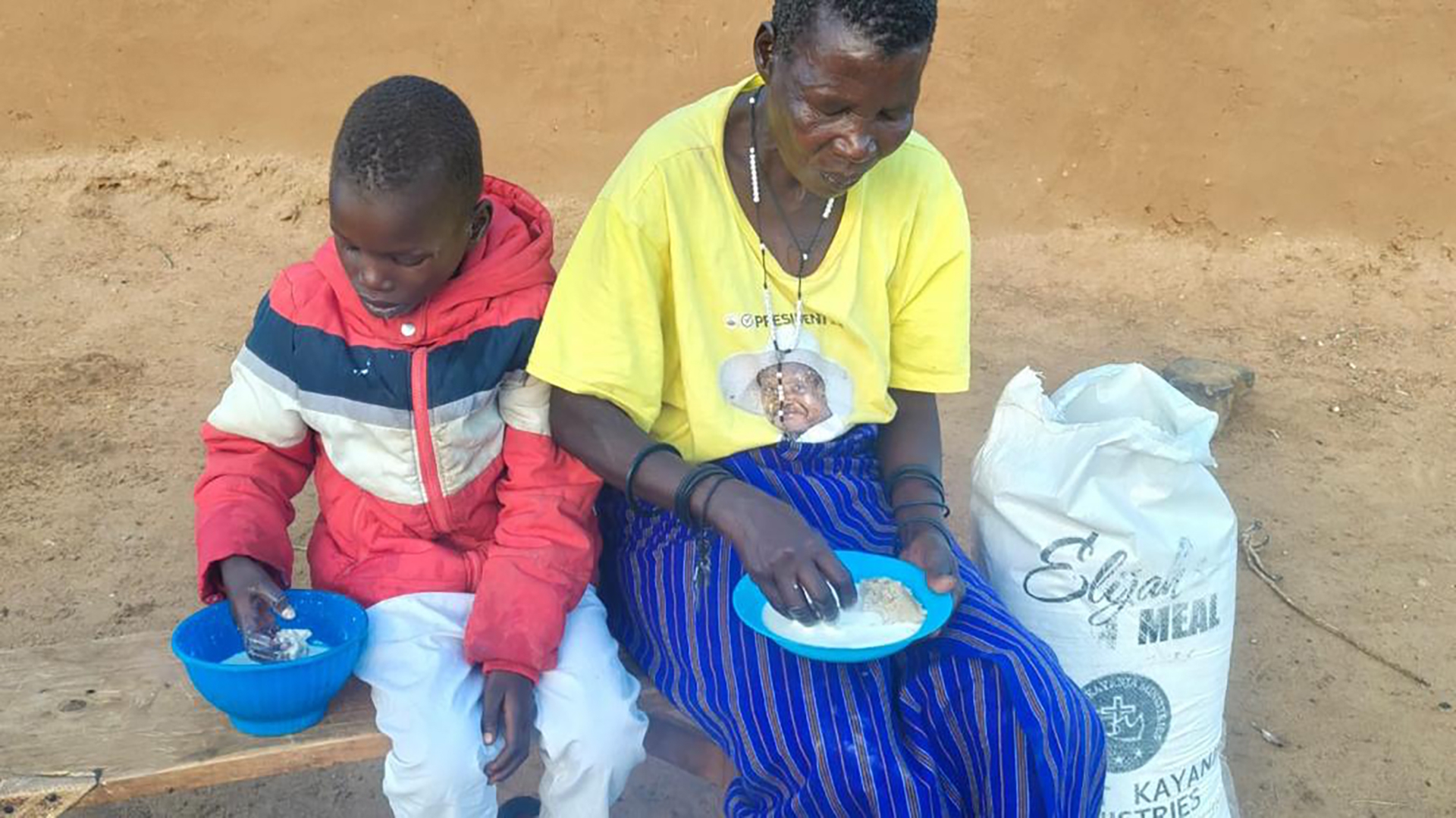
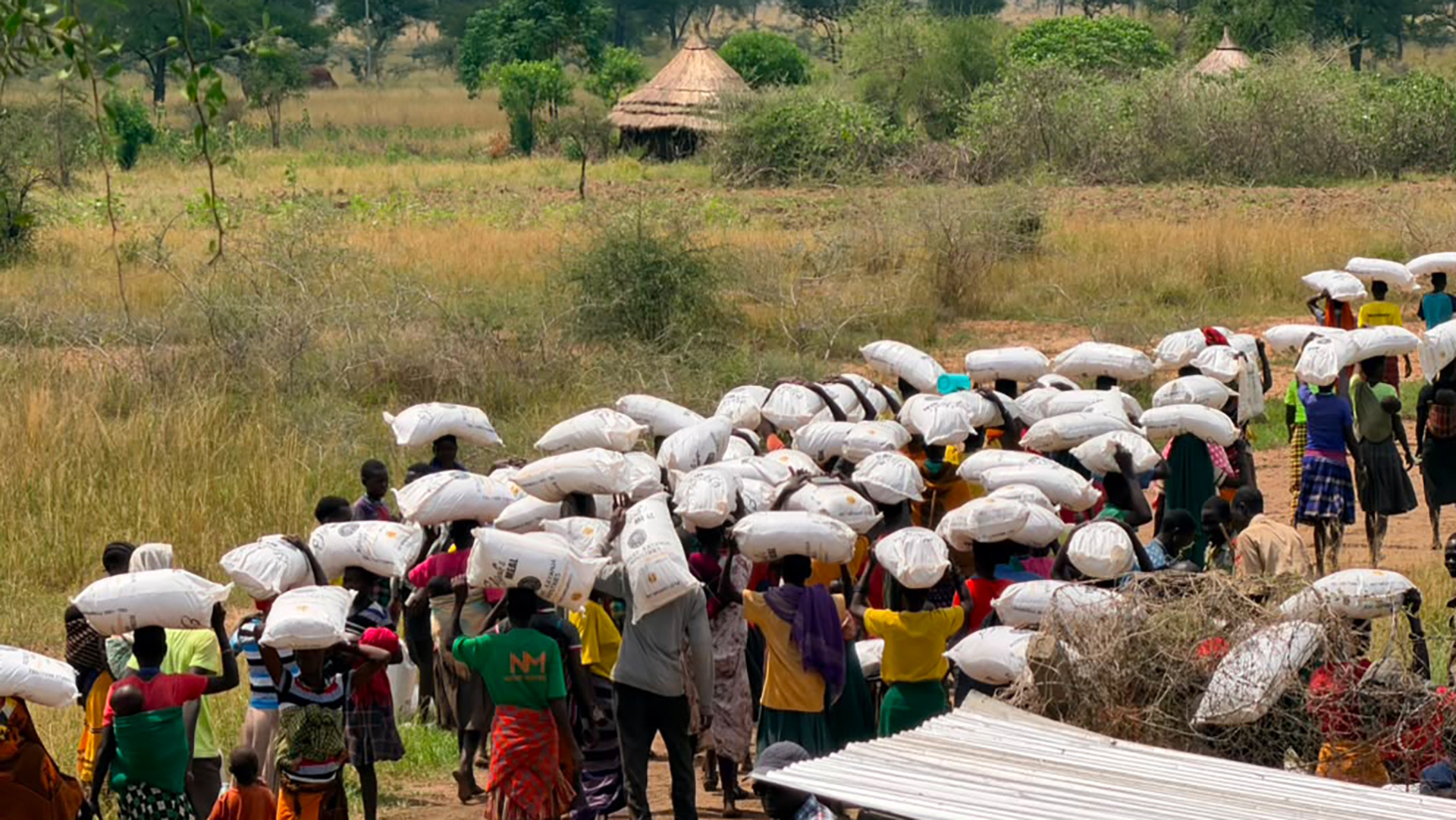
Sacks – called Elijah’s Meal – of a special, protein- and nutrient-rich mixture of flour, milk, soya and calcium powder, natural sugar and vitamins are distributed, securing food for more than 6,000 children and adults.
„Elijah’s Meal” is based on the account of the prophet Elijah in 1 Kings 17. In the middle of a severe famine God supernaturally provided food for Elijah and the widow of Zarephath.
The name therefore stands for practical help in times of scarcity: a meal that gives hope, sustains life and shows people that they are not forgotten.
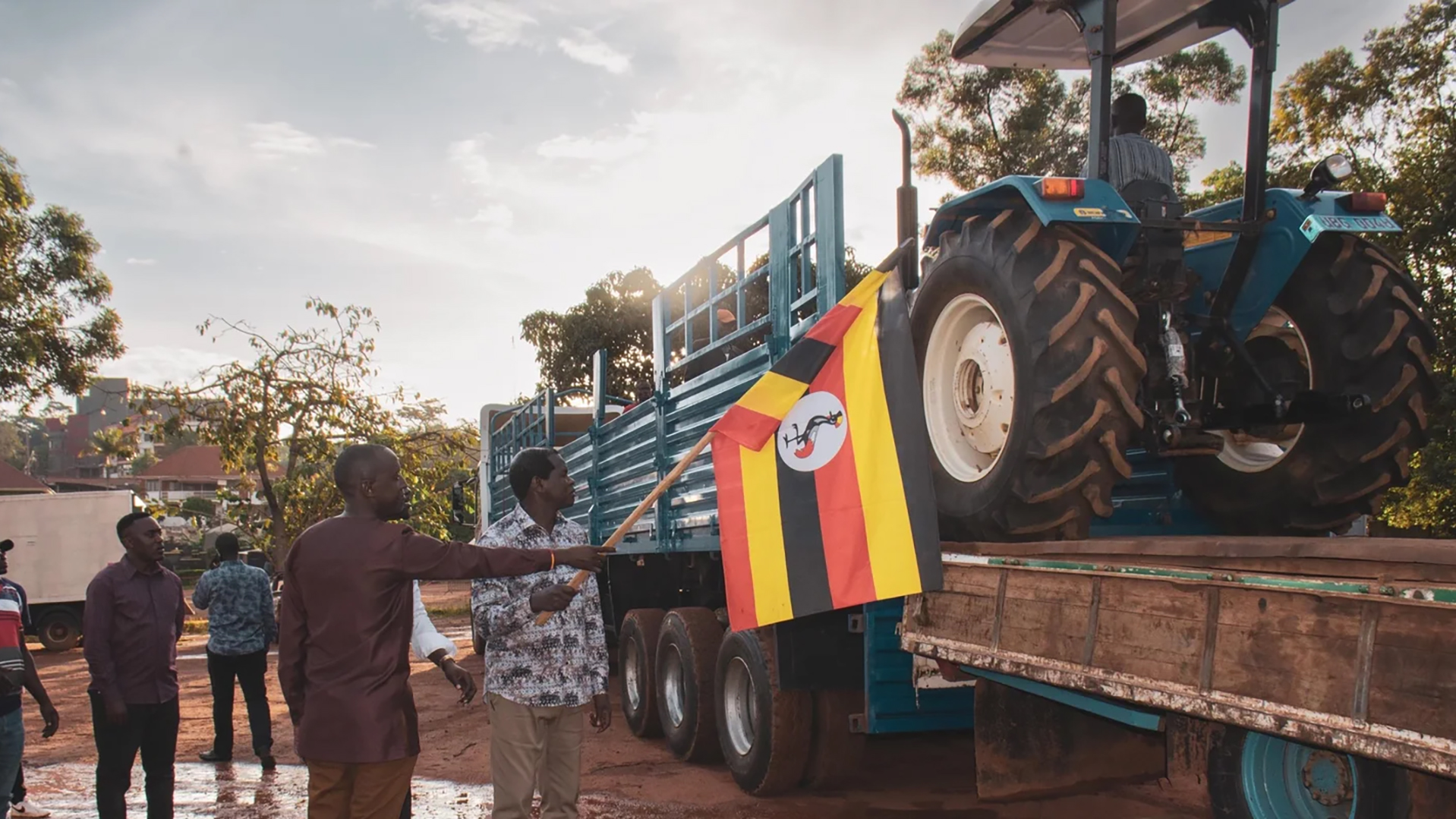
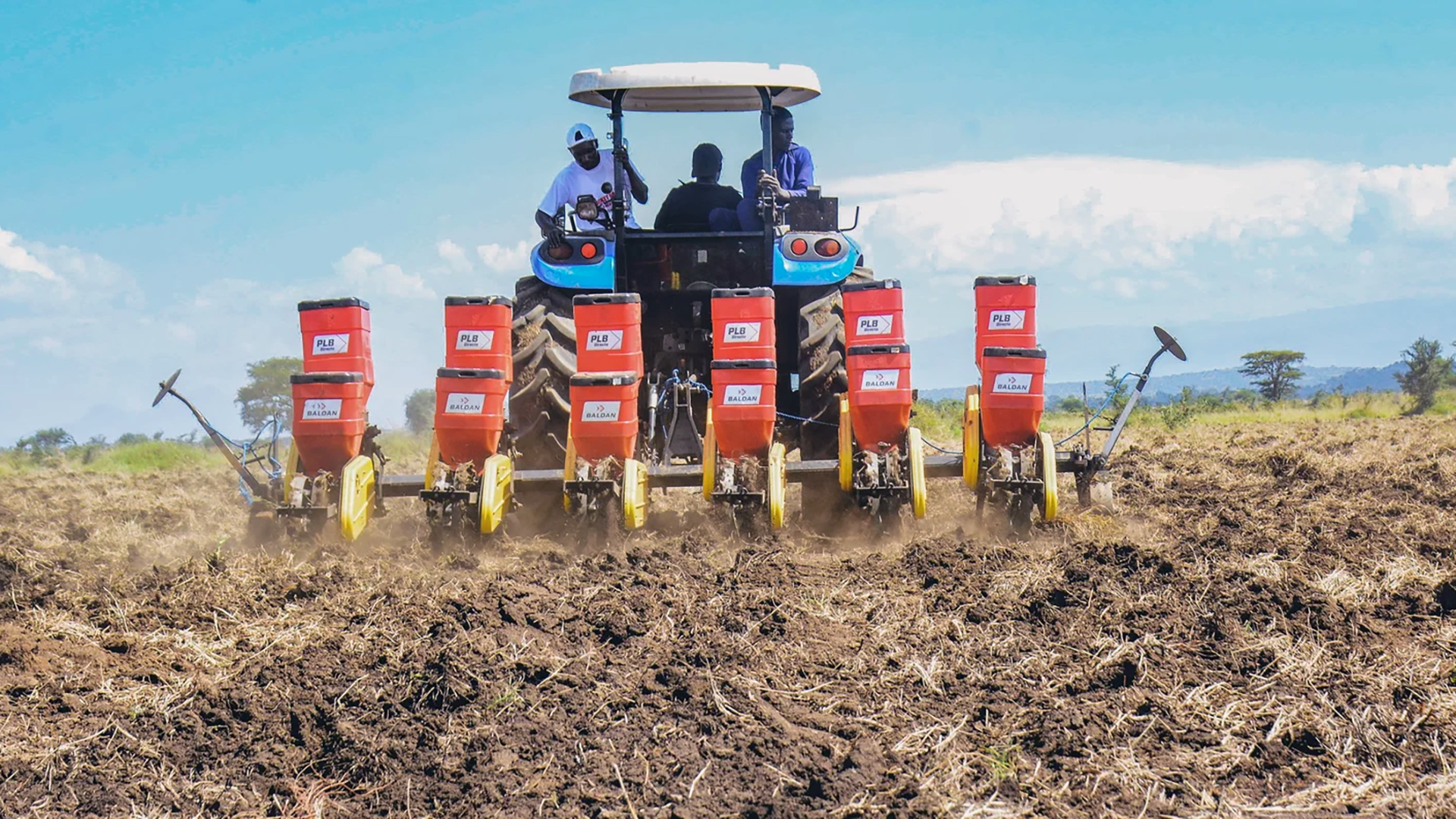
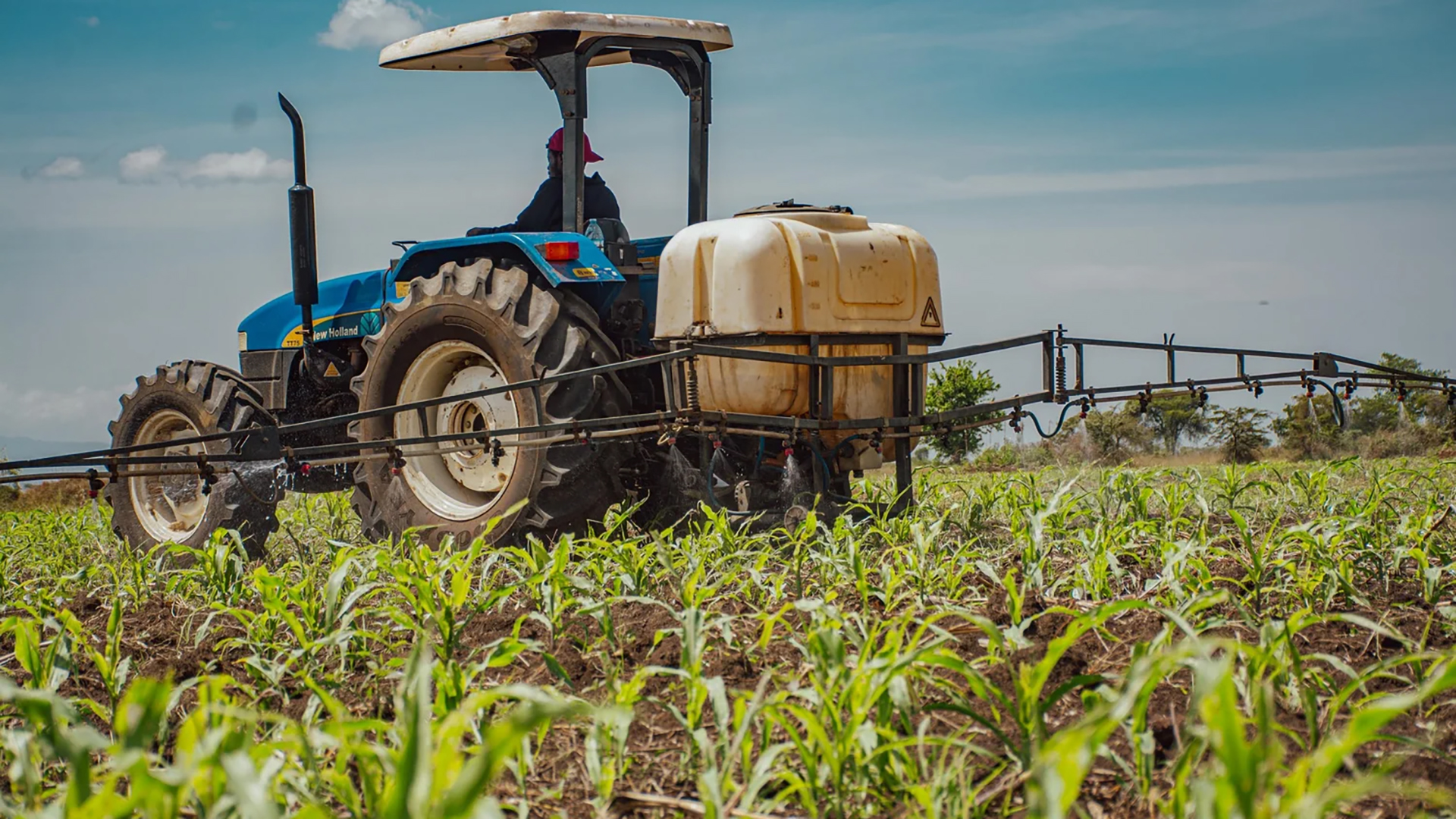
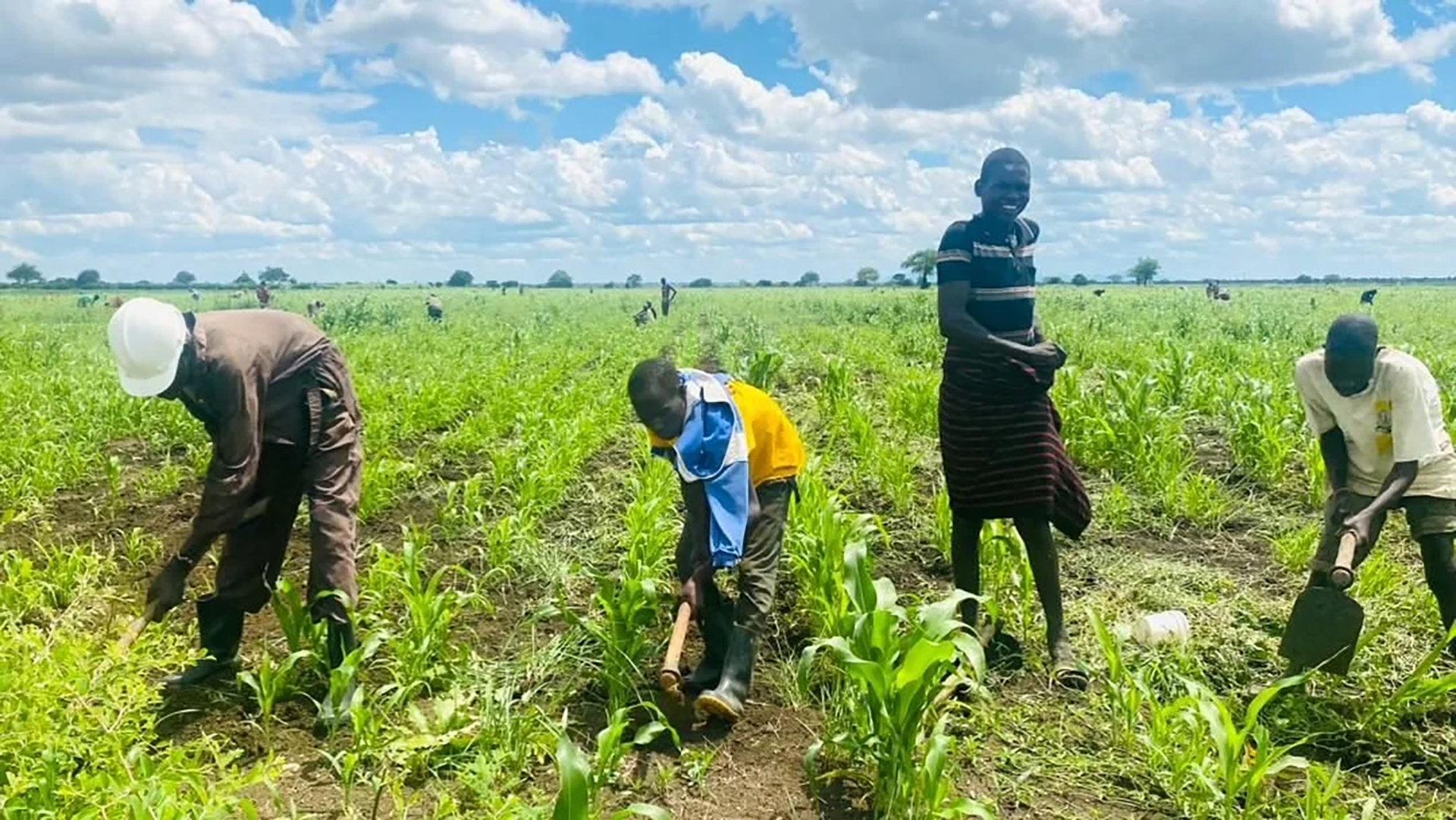
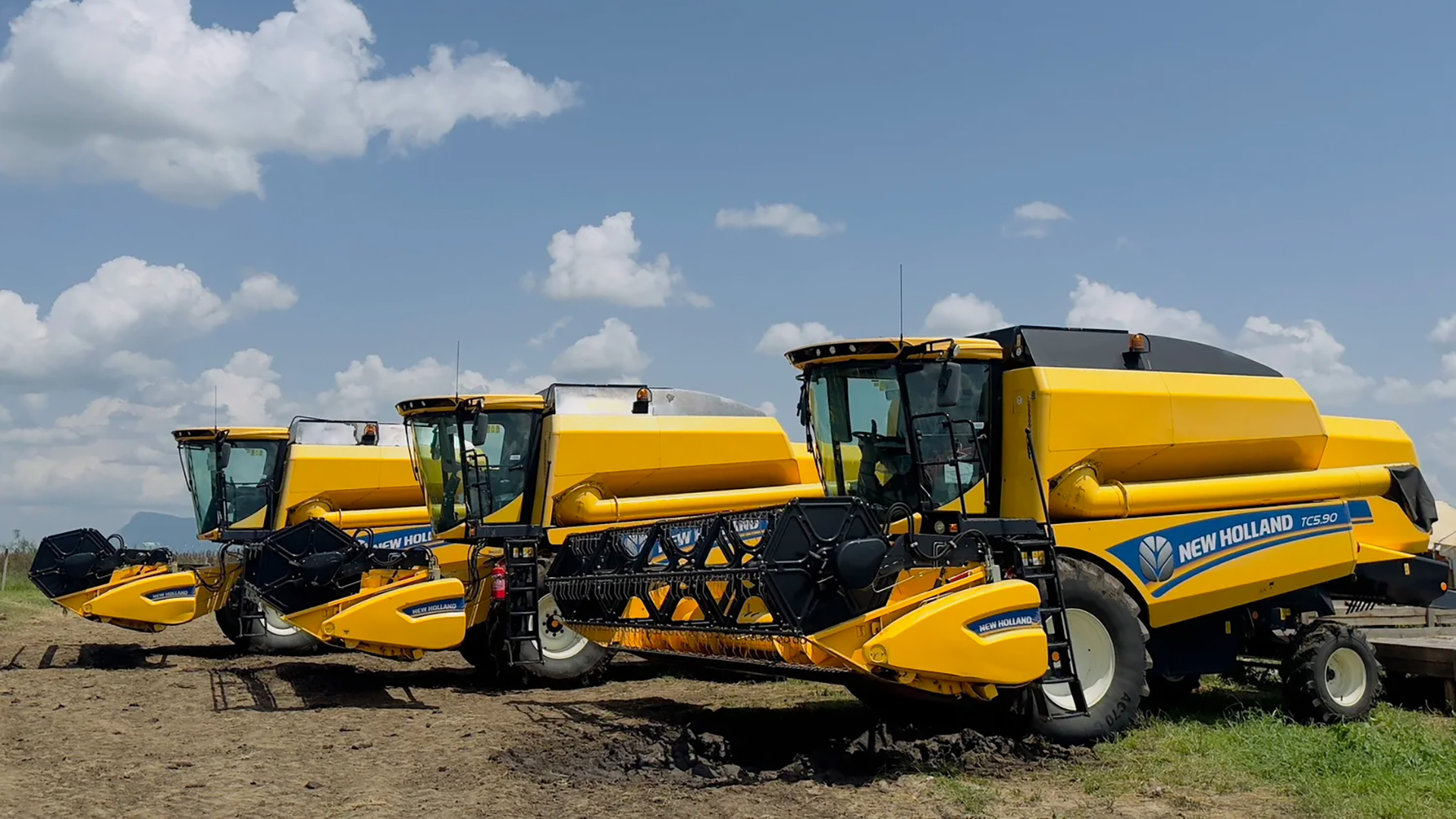
In addition, the project offers help towards self-help and self-sufficiency through tractors, agricultural machinery and equipment, and drought-resistant seed for growing sorghum, beans and maize.
Further information below
Information on the “Robert Kayanja Bucket Initiative” in English
General information on the situation in Karamoja
There is an international system for classifying food insecurity.
The five so-called IPC phases are:
- Minimal
- Stressed
- Crisis
- Emergency
- Catastrophe/Famine
2024 severe hunger crisis
2025 an initially noticeable improvement in general food security, but continuing dramatic malnutrition among children
2026 renewed deterioration due to a failed rainy season
2024 a severe hunger and nutrition crisis prevailed in Karamoja. In spring and summer 2024 around 600,000 people, some 45 percent of Karamoja’s population, were classified in IPC 3 or higher. Of these, about 84,000 people were already in IPC 4 “Emergency”. In addition, around 112,000 children under five were acutely malnourished and in need of treatment.
2025 there was some improvement in the general food supply. The number of people in IPC 3 or higher fell to around 442,000. Eight of the nine districts, however, remained at the crisis level. The nutritional situation of children, by contrast, looked worse. Global acute malnutrition rose from 12.2 percent in 2024 to 13.5 percent in 2025. In Kaabong, Kotido and Moroto acute malnutrition even reached IPC 4 “Emergency”.
2026 the situation has become problematic again. The official IPC analysis from June recorded around 473,000 people in IPC 3 or higher for April to July 2026. Around 41,000 of them were in IPC 4 “Emergency”. All nine districts of Karamoja were again classified as IPC 3 crisis areas .
In addition there is a new development: The 2026 rainy season in parts of Karamoja has failed massively. On 24 August 2026, drawing on a recent rapid assessment, the WFP reported more than 600,000 people as affected by food insecurity – almost half the population. Kotido and Kaabong are particularly affected; there, harvests failed almost completely in places.
Child nutrition also remains very serious in 2026. By February 2027 around 122,100 acutely malnourished children under five are expected; some 30,600 of them severely malnourished.
As for the international aid efforts, the picture is mixed. Aid deliveries and programmes continue, but they do not fully cover the need.
Since April 2026 a joint emergency nutrition operation by UNICEF and the WFP has been running, financed through the Uganda Humanitarian Fund managed by OCHA. Children are screened, special therapeutic food is distributed and treatment is brought closer to remote villages.
The relief measures have become very concrete since the drought in the summer of 2026. In July the Ugandan government launched a six-month emergency operation for around 300,000 households and delivered maize flour and beans to all nine districts of Karamoja. In addition, the WFP supports about 30,000 people a month in the worst-affected areas with cash for food, provides some 221,000 schoolchildren in 284 schools with a hot meal every day, and hands out rice, mung beans and fortified vegetable oil as family rations during the school holidays.
UNICEF reports in August 2026 explicitly that, because of reduced funding, programmes to treat moderate acute malnutrition in five districts of Karamoja have already been discontinued or scaled back .
https://www.ipcinfo.org
https://www.wfp.org/stories/drought-ugandas-karamoja-region-hunger-peaks-el-nino-arrives
https://www.wfp.org
https://www.ipcinfo.org/ipc-country-analysis/details-map/en/c/1164410/?iso3=UGA